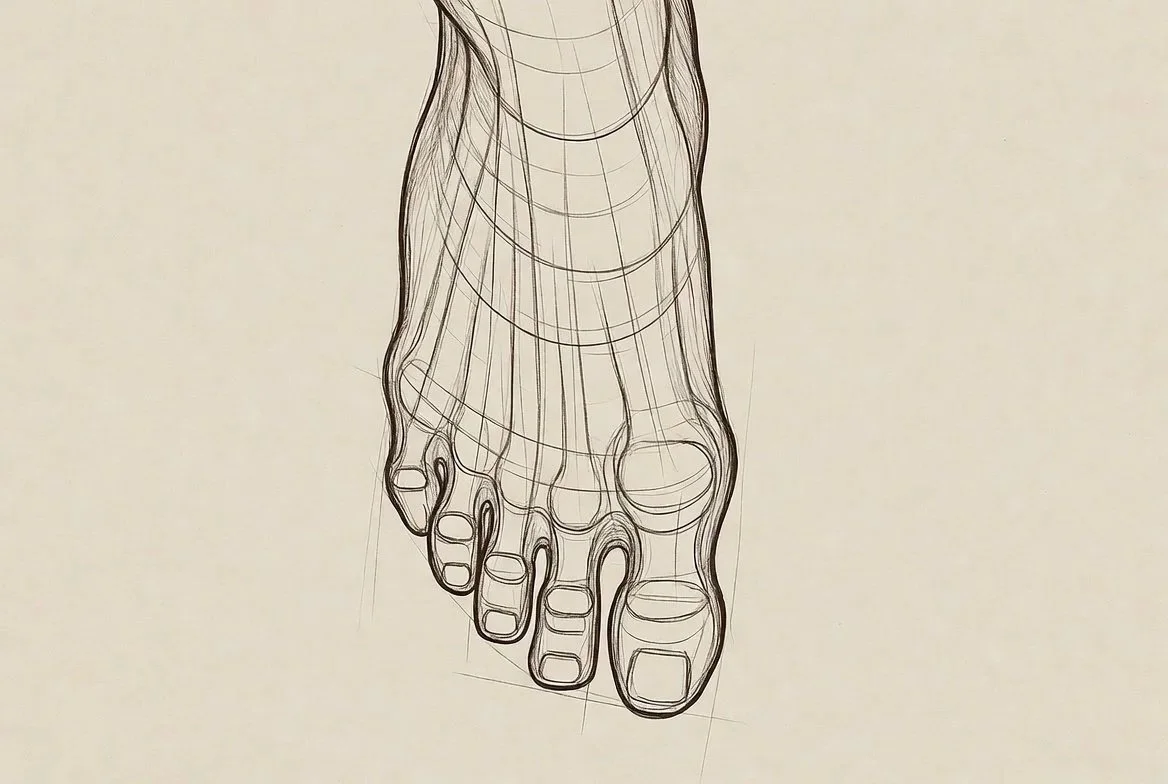
Cornwall Foot & Ankle Clinic

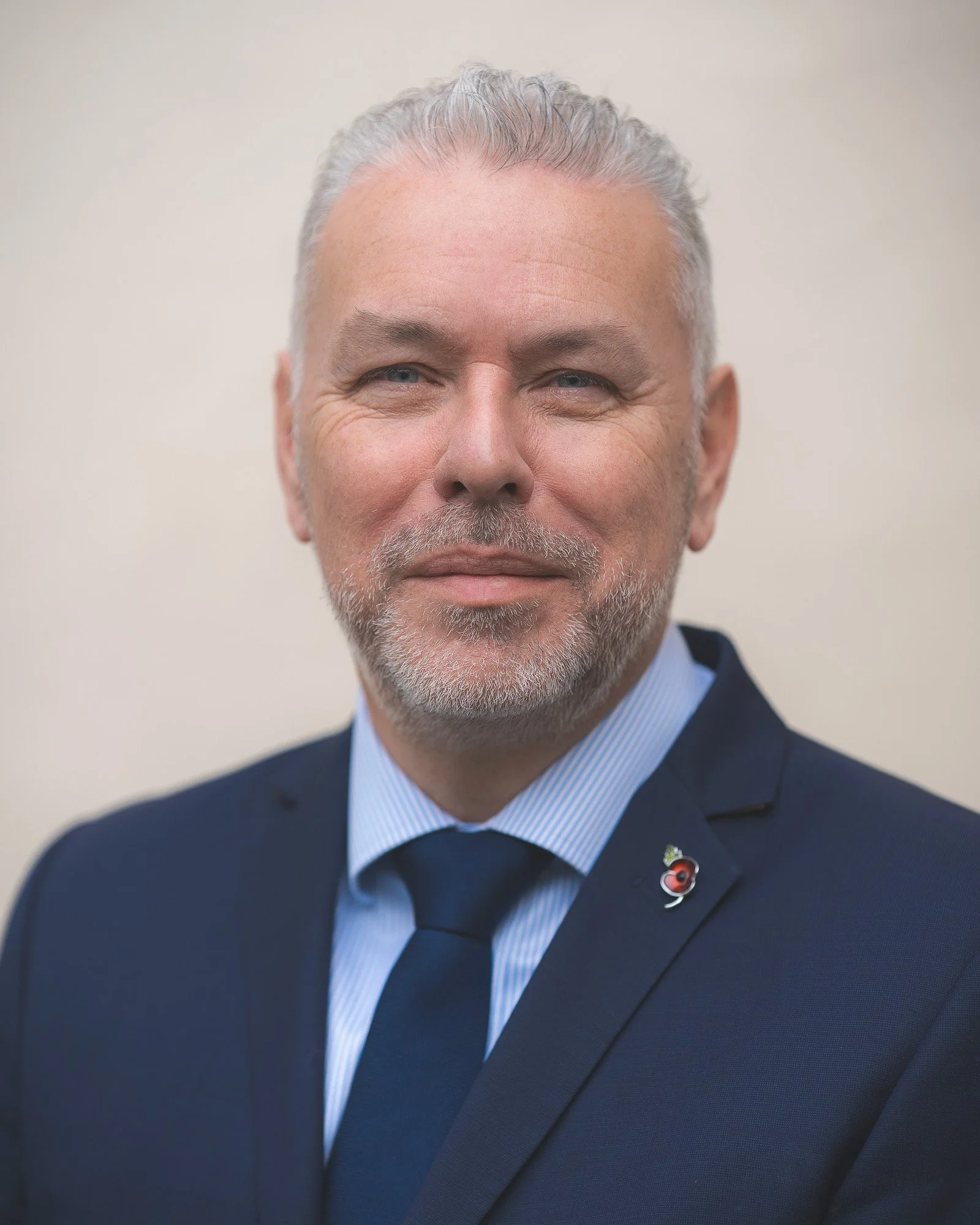
Mr Mike Butler is a senior and highly experienced Consultant Orthopaedic Surgeon specialising in foot and ankle surgery and knee replacement surgery in Cornwall, treating patients at the Duchy Hospital in Truro, St Michael’s Hospital in Hayle and the Royal Cornwall Hospital.
Practice in Cornwall

My name is Mike Butler and I am a Trauma and Orthopaedic surgeon working in Cornwall with a specialised practice in both elective and trauma surgery. I strive to offer my patients the most contemporary and relevant techniques, ensuring each person receives care tailored to their needs and the latest standards in the field.

My expertise covers the full spectrum of Foot and Ankle surgery as well as knee replacement surgery. I perform advanced arthroscopic (keyhole) procedures on the foot and ankle, using minimally invasive methods to reduce pain, speed recovery, and improve outcomes. I also provide ankle joint replacement surgery including computer-guided surgery (known as prophecy), fusion surgery and other joint-preserving and restorative options, including all aspects of the foot and ankle, including big toe and lesser toe surgeries, that reflect the cutting edge of 21st-century Orthopaedics.

Whether treating acute injuries or planning elective interventions, I combine evidence-based practice with the most modern surgical technology to deliver effective, patient-centered care across a wide range of orthopaedic conditions.

Private Patients

Mr Butler is easily accessible for private patients that wish to be seen on a self-pay basis or are insured privately. He is recognised by all of the major health insurance companies and is able to see patients, organise relevant radiological investigations and operate on patients privately at the Duchy Hospital in Truro in a timely fashion to fit in with patient choice.

We recommend checking with your insurance company before treatment to make sure you are adequately covered for your care.

For self-pay patients we are very happy to arrange quotes for private surgery and subsequent follow-up care and rehabilitation. (A total care package)

If you are unable to see your GP and would like to see Mr Butler about an urgent problem or you have a recent injury, he is able to see you without a GP referral.

If this is the case we would ask you to contact Sara, Dani or Jess at the Duchy to arrange this.

Please contact our secretaries by email or telephone if you have any queries or if you would like to find out when we are able to see you.

Frequently Asked Questions

  • I specialize in a range of ankle procedures to address conditions like chronic instability, arthritis, fractures, sporting in injuries and deformities. Common surgeries include:

    • Ankle reconstruction — Often ligament reconstruction (e.g., Brostrom or tendon graft procedures) to repair or tighten damaged ligaments for instability from repeated sprains.

    • Total ankle replacement (arthroplasty) — Replaces damaged joint surfaces with prosthetic implants to relieve pain from advanced arthritis while preserving motion.

    • Ankle fusion (arthrodesis) — Fuses bones together to eliminate painful motion in severe arthritis cases, providing reliable long-term stability.

    • Arthroscopic procedures — Minimally invasive "keyhole" surgery to treat cartilage damage, remove loose bodies, or address other joint issues.

    • Other options like achilles tendon surgery or problems related to foot deformity.

  • Surgery is typically considered when conservative treatments (rest, physical therapy, bracing, medications, injections) no longer relieve pain, instability, swelling, or limited mobility. Common reasons include chronic ankle instability, severe arthritis, post-traumatic damage, or deformities that affect daily activities or the ability to wear or find comfortle shoes.

  • I perform all basic and complex foot surgeries, which can involved fusion or replacement of the big toe, bunion surgery, surgery for lesser toe deformities like hammer toes or claw toes and surgery for Morton’s neuroma.

    Foot surgery also includes surgery for worsening deformities of the foot or for arthritis affecting all areas of the foot.

  • Recovery depends on the procedure being offered.

    I generally like patients to rest and elevate their feet for two weeks after surgery and most of my patients can put weight on their feet or ankles immediately but it does depend on the surgery and you may be in a plaster or in a special shoe/boot.

    Often the bone will or joint will be stable but we need to rest the soft tissues initially, to reduce infection risk or other long-term complications

  • As part of consent, I will discuss general and specific tissues involved with surgery. I always warn patients that up to 1 in 10 may be unhappy with any surgery and some surgeries may carry a very small risk to life/ limb.

    All surgeries carry risks like scars, infection, pain, swelling, bleeding, blood clots, nerve/vessel damage, stiffness, or poor healing.

    Specific risks include::

    • Replacement — Implant loosening/wear over time, possible revision.

    • Fusion — Non-union (bones not fusing) or Mal-union (bones fusion in a poor position

    • Reconstruction — Re-injury if activity resumes too soon. Complication rates are low with experienced surgeons; we take steps to minimize them (e.g., antibiotics, blood thinners).

  • Yes, physiotherapy is essential for regaining strength, range of motion, and balance after surgery and it usually starts soon after surgery and may continue for some weeks or sometimes longer.

    I have close contacts with excellent physiotherapists at the Duchy hospital and around Cornwall that I can refer to..

  • We recommend following all the post-operative instructions given and to use prescribed pain medications and to rest and elevate for the recommended time after surgery.

    If you have worsening pain, become feverish or unwell or are worried, you MUST contact us immediately, contact the Duchy or in an emergency call 999.

  • We are here to help!!!!

    Please contact us to schedule an appointment. Bring any imaging, your medical history, and list your symptoms/questions.

    We will guide you through all relevant options personalised to you.

Total Ankle Replacement Surgery

Total Ankle replacement is gaining popularity as an alternative to ankle fusion, which permanently joins the bones and eliminates motion.

With more modern ankle replacement technology, there are possible advantages to be gained:

  • Pain relief — Research has shown very similar pain relief results at 1 year compared to ankle fusion.

  • Preserved motion — A ankle replacement should preserve ankle joint movement and for some patients will allow much better ankle movement which could allow better walking.

  • Joint Protection — There is good evidence developing that for patient with arthritis affecting multiple joints in the foot that a total ankle replacement offers protection to those other joints

  • Long-term function — The Infinity Total Ankle implant that I use is showing 91%-97% survivorship at 8 years and is the most implanted ankle in the world.

  • Computer guided Surgery — I use the most modern techniques for ankle replacement surgery in which we can CT scan your ankle, get 3D printed models of your ankle in order to allow highly accurate surgery which reduces scar size and time for surgery.

  • Ankle Fusion - It should be noted that for a lot of patients, Ankle Fusion performed via keyhole, can be hugely successful, particularly in the younger, fitter patient with isolated advanced ankle arthritis.

Patient Information and Treatment


The links in this section lead to PDF downloads. Each link opens a document containing detailed information relevant to the topic indicated by the link label (for example, patient information, consent forms, procedure guides, or clinic leaflets).

Please note:

  • Clicking a link will download or open a PDF file in your browser or PDF viewer.

  • File size varies by document; larger files may take longer to download.

  • PDFs are printable and suitable for saving to your device for offline reference.

  • If you have trouble opening a PDF, ensure you have a current PDF reader installed (for example, Adobe Reader, or a modern web browser).

  • For accessibility or alternative formats, or if you require a document in large print, audio, or another language, contact the clinic and we will assist.


Hallux Valgus ( Bunion )

DVT prophylaxis

Complex Forefoot Reconstruction

Triple Fusion

1st MTPJ Cheilectomy

Subtalar Fusion

Ankle Fusion

First MTPJ Infusion

Ankle Arthroscopy

Preparation for foot surgery

Ankle Replacement

Surgery request form

Benefits of Total Knee Replacement Surgery

Knee replacement surgery can offer substantial life changing benefits for people with persistent severe knee pain, reduced mobility and impaired quality of life due to arthritis, injury or deformity. Key advantages include:

  • Pain relief
    Replacing the worn joint surfaces with prosthetic components typically reduces or eliminates the chronic pain caused by arthritis.

  • Improved function and mobility
    Restoring joint alignment and movement should allow patients to walk more comfortably, climb stairs, and resume daily activities that were limited by stiffness and pain.

  • Increased quality of life
    With pain under control and function improved, many patients report better sleep, mood and ability to participate in work, hobbies and social activities.

  • Correction of deformity and improved stability
    Surgery can correct/improve angular deformities (bowed or knock‑kneed legs) and improve overall knee stability.

  • Durable and predictable outcomes
    Modern implants and surgical techniques provide reliable, long‑term results. Registries demonstrate survivorship at around 85% at 25 years.

Considerations and realistic expectations

  • Not all pain is guaranteed to disappear; some patients have residual discomfort or stiffness.

  • Recovery takes time—full functional improvement often occurs over 3–12 months.

  • Risks exist (infection, blood clots, stiffness, implant loosening) and should be discussed as part of the consent process.

  • Approximately 1 in 10 patients may be unhappy after a total knee replacement

  • Maintaining a healthy weight, quitting smoking and engaging in rehabilitation optimise outcomes and implant longevity.

Knee replacement is appropriate when non‑surgical measures (physiotherapy, weight management, analgesia, injections) have failed to provide adequate relief and daily life is significantly affected.

A consultation with Mr Butler will help determine if you are suitable for knee replacement surgery with open, shared decision making.

Sports Injuries

In the foot and ankle clinic I treat the full range of foot and ankle sports injuries for recreational and elite athletes. As part of this I combine specialist orthopaedic training with extensive surgical and non‑surgical experience to get you back to sport safely and quickly.

I have extensive experience with high performing elite athletes and military personnel, both serving and retired. I am proud to be part of the medical team at the Cornish Pirates offering pitch-side care as part of the Rugby Championship and offering care to the players for acute and chronic injuries.

Assessment and diagnosis

  • Detailed history and activity analysis to identify mechanism of injury and sport-specific demands.

  • Thorough clinical examination focused on biomechanics, alignment, stability and range of motion.

  • Access to imaging: weightbearing X‑rays, ultrasound for soft‑tissue assessment, MRI for complex injuries, and CT for detailed bony assessment when required.

Conservative (non‑operative) management

  • Individualised treatment plans aiming to reduce pain, restore function and prevent recurrence.

  • Structured physiotherapy programmes with a focus on strength, proprioception, flexibility and progressive sport‑specific rehabilitation.

  • Offloading strategies: custom insoles, taping, bracing and temporary footwear modification.

  • Activity modification and graded return to sport plans to maintain fitness while healing.

  • Image‑guided injections when appropriate (e.g. corticosteroid), with discussion of risks and benefits.

Surgical treatment options

  • Minimally invasive and open procedures tailored to the diagnosis, sport and athlete’s goals.

  • Ankle stabilisation and ligament repair/reconstruction for chronic instability.

  • Arthroscopy for cartilage injuries, loose bodies and impingement syndromes.

  • Repair or reconstruction of tendon injuries (Achilles, peroneal, posterior tibial) and debridement when necessary.

  • Correction of bony deformities (e.g. osteotomies for malalignment) that contribute to recurrent injury.

  • Management of stress fractures (fixation where indicated) and treatment of ankle and hindfoot arthritis including joint-preserving and replacement options.

  • Clear explanation of expected recovery, timelines and return‑to‑play milestones.

Rehabilitation and return to sport

  • Coordinated care with specialist physiotherapists to progress strength, agility and sport‑specific skills.

  • Objective criteria for return to play.

  • Advice on footwear, orthoses and training modification to protect the repaired structures.

Why choose me:

  • Specialist foot and ankle orthopaedic surgeon with extensive experience in elective and trauma surgery.

  • Evidence‑based treatments combined with pragmatic, athlete‑centred rehabilitation.

  • Care for private and NHS patients in Truro with continuity from assessment to full return to activity.

  • Clear communication about treatment options, recovery expectations and outcomes.

If you have a sport‑related foot or ankle problem — sprain, tendon pain, stress fracture, instability, cartilage injury or deformity affecting performance — I can assess your injury, explain all options and create an individual plan to get you back on the field, court or trail.

Contact us to arrange an assessment.